Iran's supreme leader warns U.S., Israel against new attacks
Secretary of State Marco Rubio said Saturday no decision has yet been made on whether to renew hostilities with Iran.
By CBS News·Oct 31, 2026

Summary
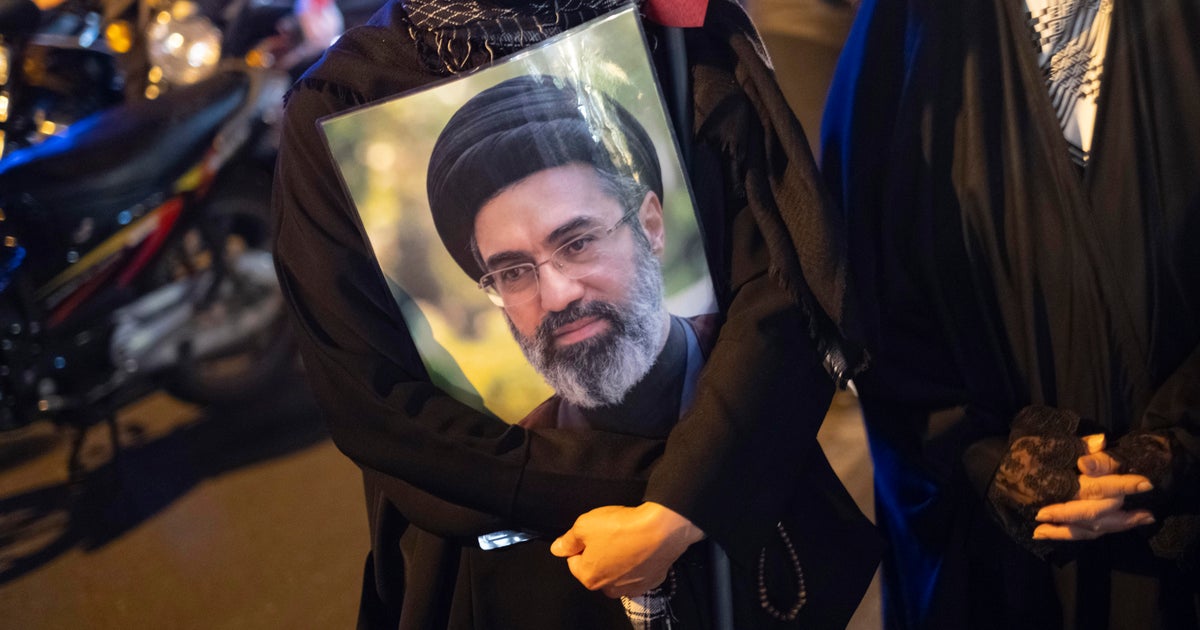
Iran's Supreme Leader Ayatollah Ali Khamenei has issued a stern warning to the United States and Israel, promising a 'crushing response' to any military aggression against Iran or its allies. The rhetoric follows months of heightened tensions across the Middle East, characterized by drone strikes, naval confrontations, and regional proxy conflicts.
Secretary of State Marco Rubio addressed the escalating situation on Saturday, stating that the administration has not yet made a definitive decision regarding new military actions or a formal renewal of hostilities. Rubio emphasized that the U.S. continues to evaluate the intelligence landscape and consult with regional partners before determining its next strategic move.
The international community remains on high alert as both sides weigh the risks of further escalation. While diplomatic channels remain open, the persistent exchange of warnings reflects the deep-seated distrust between Washington and Tehran, raising concerns about the potential for a larger, uncontrollable regional war.
Key Takeaways
- Ayatollah Khamenei has threatened a 'crushing response' to any potential U.S. or Israeli military strikes against Iran.
- Secretary of State Marco Rubio confirmed no final decision has been reached regarding future U.S. military engagement with Iran.
- The current situation remains volatile as both nations navigate a period of intense regional instability and high-stakes posturing.
Diplomacy Over Reckless War Mongering
- The administration's bellicose rhetoric threatens to drag the U.S. into another unnecessary and costly Middle Eastern conflict.
- Conservatives are prioritizing aggressive posturing over the proven efficacy of diplomatic engagement and nuclear non-proliferation frameworks.
- Hardline policies pushed by Rubio ignore the humanitarian devastation that would result from a full-scale regional war.
- We must reject the 'maximum pressure' campaign, which failed under the previous administration and only empowered Iranian hardliners.
- Instead of sabre-rattling, the U.S. should lead global efforts to de-escalate tensions through multilateral regional summits.
- Military adventurism undermines our global standing and ignores the urgency of domestic investments that benefit American taxpayers.
🔑 Liberal Key Points
- War is not a political tool; we must demand accountability for those pushing for conflict.
- Economic stability relies on peace, not perpetual military engagement in the Middle East.
- Diplomacy remains the only viable pathway to long-term security in the region.
Peace Through Strength Against Terror
- The Biden-era policy of appeasement has only emboldened the Iranian regime to increase their aggression toward our allies.
- Rubio is right to keep all options on the table; our adversaries only respect a nation that demonstrates military resolve.
- Liberals ignore the reality that Iran's state-sponsored terrorism is the primary driver of instability in the Middle East.
- We cannot prioritize the feelings of Iranian mullahs over the security of our closest ally, Israel.
- Weakness in the face of tyranny invites further attacks, and the administration must stop hesitating to project power.
- It is time to restore the 'maximum pressure' sanctions that effectively starved the Iranian regime of funding for their proxies.
🔑 Conservative Key Points
- Peace is only guaranteed when our adversaries fear our military capabilities.
- We must stand firmly with Israel against the existential threats posed by the Iranian regime.
- Hesitation by the current leadership invites greater threats to the American homeland.
Summary
Iran's Supreme Leader Ayatollah Ali Khamenei has issued a stern warning to the United States and Israel, promising a 'crushing response' to any military aggression against Iran or its allies. The rhetoric follows months of heightened tensions across the Middle East, characterized by drone strikes, naval confrontations, and regional proxy conflicts.
Secretary of State Marco Rubio addressed the escalating situation on Saturday, stating that the administration has not yet made a definitive decision regarding new military actions or a formal renewal of hostilities. Rubio emphasized that the U.S. continues to evaluate the intelligence landscape and consult with regional partners before determining its next strategic move.
The international community remains on high alert as both sides weigh the risks of further escalation. While diplomatic channels remain open, the persistent exchange of warnings reflects the deep-seated distrust between Washington and Tehran, raising concerns about the potential for a larger, uncontrollable regional war.
Key Takeaways
- Ayatollah Khamenei has threatened a 'crushing response' to any potential U.S. or Israeli military strikes against Iran.
- Secretary of State Marco Rubio confirmed no final decision has been reached regarding future U.S. military engagement with Iran.
- The current situation remains volatile as both nations navigate a period of intense regional instability and high-stakes posturing.

Similar Articles
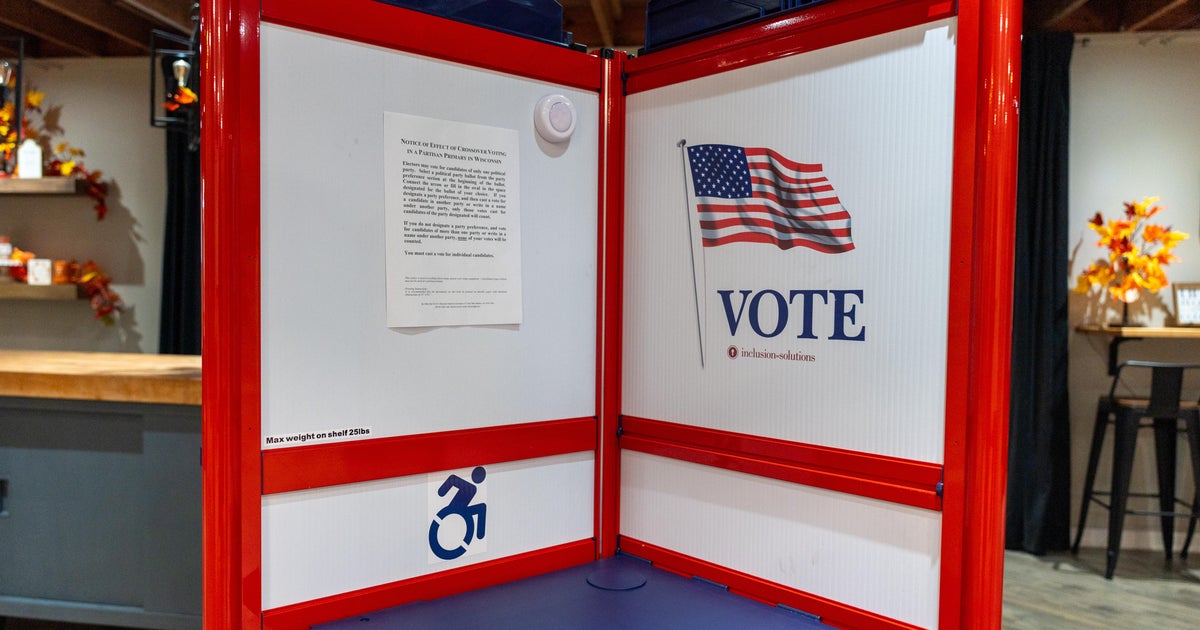
Election Day live updates with House and Senate control at stake
5 minutes ago
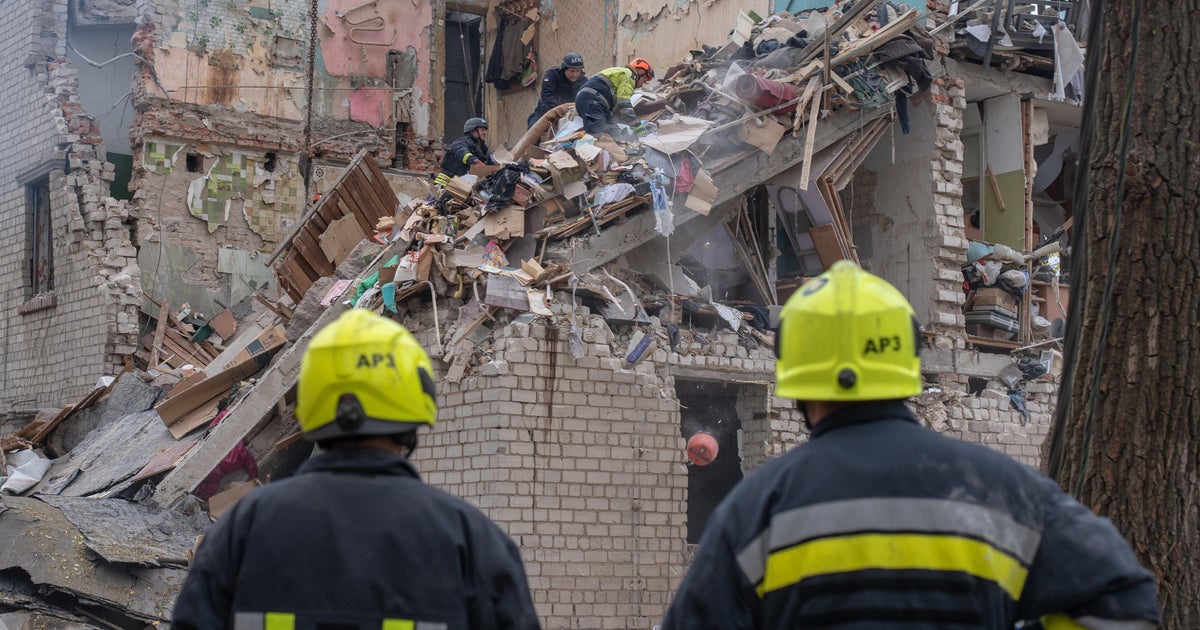
U.S. to mediate new round of Ukraine-Russia talks, Witkoff says
5 minutes ago

The Awkward Money Talk Every Friend Group Needs | Money Moves with Jill Schlesinger
5 minutes ago

'All this food is now useless': Piles of rubbish after shop freezers hit by cyber-attack
16 hours ago