Daylight saving time ended today. Here's what to know.
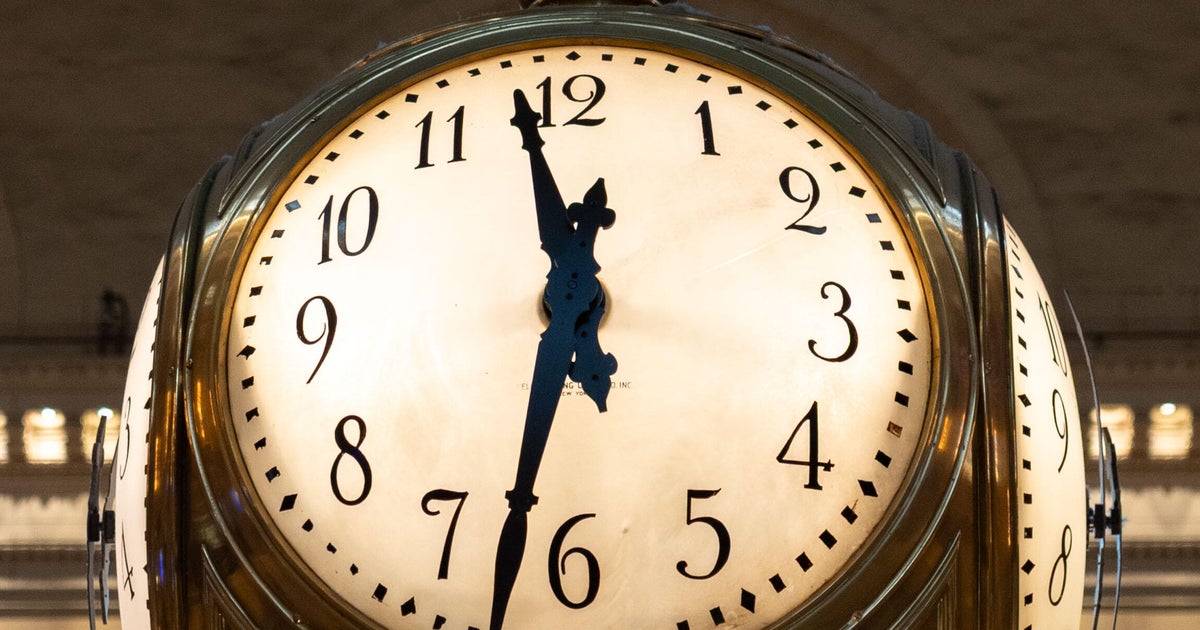
Millions of Americans gained an hour of sleep this weekend when the time change commonly known as daylight saving ended for 2026, meaning clocks "fell back."
By CBS News·Nov 1, 2026


Summary
On Sunday, November 1, 2026, most of the United States ended daylight saving time, as clocks were turned back one hour at 2 a.m. This transition marks the shift from daylight saving time back to standard time, resulting in earlier sunsets and sunrises across the country. The practice of changing clocks twice a year continues to be a standard procedure in 48 states, though the debate regarding its necessity and impacts remains active.
While the biannual time change is a routine event, it frequently reignites discussions about public health, economic productivity, and potential legislative reform. Advocates for change argue that the shift disrupts circadian rhythms and creates unnecessary health risks, while others contend that the current system provides necessary consistency for seasonal alignment. Despite various legislative proposals at the state and federal levels, no permanent change to the current system has been enacted.
The end of daylight saving time means Americans will experience shorter daylight hours in the evening during the winter months. Public health experts often highlight the potential for temporary increases in traffic accidents and sleep-related issues immediately following the change. As the nation adjusts to standard time, the conversation continues to focus on whether the United States should adopt a permanent time standard or continue the cycle of seasonal clock adjustments.
Key Takeaways
- Most Americans turned their clocks back one hour on November 1, 2026, transitioning to standard time.
- The practice remains legally mandated in most of the U.S., despite ongoing debates over its health and economic impacts.
- Transitioning to standard time affects daily light exposure, which has measurable consequences for public health and safety.
End This Antiquated, Harmful Ritual
- The biannual clock change is a public health disaster that disrupts sleep patterns and increases instances of depression.
- Conservative foot-dragging on sensible, science-backed time reform shows a callous disregard for worker and student wellness.
- The disruption disproportionately impacts vulnerable populations, including the elderly and those with pre-existing mental health conditions.
- Standard time is scientifically aligned with human circadian rhythms; conservatives prioritizing 'seasonal tradition' ignore human biology.
- We need a federal mandate for permanent, healthy time standards rather than allowing states to bicker over disjointed time zones.
- The economic cost of lost productivity due to sleep-deprived workers is a clear indicator that the current system is failing.
🔑 Liberal Key Points
- Protecting our public health requires discarding outdated traditions that actively harm our bodies.
- Science must supersede corporate comfort or inertia in deciding our timekeeping standards.
- A unified, permanent time standard is a necessary progressive step for modern society.
Stop Messing With Our Natural Time
- The government should stop over-regulating every aspect of life and allow citizens to live by natural solar time.
- Liberals obsess over federal mandates that would strip states of their right to determine their own time standards.
- Standard time is the most logical, natural system; trying to 'fix' time often results in unintended, disruptive consequences.
- The 'health crisis' narrative is exaggerated by activists to push for more centralized federal control over our daily lives.
- Instead of worrying about clocks, we should focus on the underlying economic stability that makes time changes trivial for most.
- If states want to opt-out, they should be empowered to do so without waiting for a bloated federal bureaucracy to act.
🔑 Conservative Key Points
- Federal overreach in managing the clock is yet another symptom of a government that has lost focus.
- Personal responsibility and local control are the best tools for managing seasonal transitions.
- We should reject the push for permanent daylight saving time if it disrupts our natural alignment with the sun.
Summary
On Sunday, November 1, 2026, most of the United States ended daylight saving time, as clocks were turned back one hour at 2 a.m. This transition marks the shift from daylight saving time back to standard time, resulting in earlier sunsets and sunrises across the country. The practice of changing clocks twice a year continues to be a standard procedure in 48 states, though the debate regarding its necessity and impacts remains active.
While the biannual time change is a routine event, it frequently reignites discussions about public health, economic productivity, and potential legislative reform. Advocates for change argue that the shift disrupts circadian rhythms and creates unnecessary health risks, while others contend that the current system provides necessary consistency for seasonal alignment. Despite various legislative proposals at the state and federal levels, no permanent change to the current system has been enacted.
The end of daylight saving time means Americans will experience shorter daylight hours in the evening during the winter months. Public health experts often highlight the potential for temporary increases in traffic accidents and sleep-related issues immediately following the change. As the nation adjusts to standard time, the conversation continues to focus on whether the United States should adopt a permanent time standard or continue the cycle of seasonal clock adjustments.
Key Takeaways
- Most Americans turned their clocks back one hour on November 1, 2026, transitioning to standard time.
- The practice remains legally mandated in most of the U.S., despite ongoing debates over its health and economic impacts.
- Transitioning to standard time affects daily light exposure, which has measurable consequences for public health and safety.

Similar Articles

Healey risks breaking minimum wage promise for younger workers
4 hours ago

Shops looted as German cost of living protests turn violent
4 hours ago

Trump says U.S. still has to "take care" of more targets in Iran
6 hours ago

Binance resumes withdrawals for some cryptocurrencies after heist
6 hours ago