Iran's supreme leader orders "maximum" response to any U.S. attack
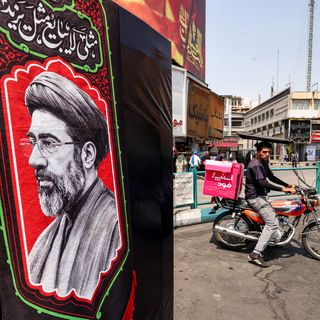
Iran's Supreme Leader Mojtaba Khamenei told the country's top three military commanders that a renewed attack by the U.S. and Israel ״must be met with
By Axios·Oct 31, 2026

Summary
Iran's Supreme Leader Ayatollah Ali Khamenei has directed his military commanders to prepare a "maximum" response to any potential military action by the United States or Israel. This directive aims to secure "maximum deterrence" by ensuring that Iranian forces can strike without geographical limitations. The statement follows an unusual meeting between Khamenei and the top leadership of the Iranian Armed Forces, marking his first public appearance since sustaining injuries during earlier conflict.
The development occurs as President Trump reportedly weighs potential military options against Iran following the midterm elections. While high-level diplomatic efforts led by Qatari mediators are ongoing in Doha to establish a path for renewed negotiations, the rhetoric from Tehran suggests a deepening state of military readiness. Iranian commanders have briefed the leadership on increased ammunition production and the identification of new potential targets within the region.
The announcement emphasizes the regime's focus on "unity of the different arenas" involving regional proxies. As both nations posture for potential escalation, international observers are closely monitoring whether diplomatic channels in Qatar can successfully mitigate the risk of a wider regional war or if the current military brinkmanship will lead to a direct confrontation.
Key Takeaways
- Iran has formally ordered its military to prepare for an unlimited response to any U.S.-led attacks.
- The meeting marks a return to public visibility for Khamenei amidst ongoing diplomatic attempts to avoid war.
- Both sides are currently engaged in significant military buildup as regional tensions reach a critical juncture post-midterms.
Trump's Dangerous War Drumming
- Trump's aggressive post-election saber-rattling threatens to plunge the Middle East into an avoidable and catastrophic war.
- The administration is bypassing diplomatic norms, ignoring the risks of conflict while prioritizing optics over long-term regional stability.
- Escalating tensions with Iran could trigger a regional proxy conflict, placing millions of civilians at risk across the Middle East.
- Critics argue that Trump's 'maximum pressure' campaign has demonstrably failed to moderate Iranian behavior, instead incentivizing the regime to build up its defenses.
- The push for military strikes without congressional authorization undermines the constitutional mandate that only Congress can declare war.
- By refusing to utilize established diplomatic channels and negotiations, Trump is isolating the U.S. from international allies who prefer peace.
🔑 Democrat Key Takeaways
- Trump's brinkmanship creates an unstable environment where a small spark could lead to a massive regional war.
- Diplomacy should be the primary tool for de-escalation, not impulsive military action that risks American service members.
- The failure of past aggressive strategies suggests a need for a new, intelligence-led approach rather than force.
Projecting Strength Against Rogue Regimes
- President Trump is correctly signaling that the U.S. will no longer tolerate threats from rogue regimes, a necessary step for peace through strength.
- Liberal critics fail to realize that weakness encourages aggression; standing tall against Iran is the only way to prevent future attacks.
- The administration's readiness to take action forces our adversaries to rethink their destabilizing activities in the Strait of Hormuz and beyond.
- Iran's 'maximum' rhetoric is a desperate response to the success of U.S. sanctions and a concerted effort to dismantle their power projection.
- Protecting American interests and our allies in Israel requires a credible military threat, which the Obama-era appeasement failed to provide.
- The president is rightfully prioritizing the protection of U.S. assets and personnel after years of Iranian-backed terrorism and regional interference.
🔑 Republican Key Takeaways
- Strength and deterrence are the only languages that regimes like the Islamic Republic understand.
- Trump’s policy ensures that the U.S. remains the world's primary superpower by refusing to yield to foreign intimidation.
- Diplomacy only works when there is a credible, massive military force standing behind it.
Summary
Iran's Supreme Leader Ayatollah Ali Khamenei has directed his military commanders to prepare a "maximum" response to any potential military action by the United States or Israel. This directive aims to secure "maximum deterrence" by ensuring that Iranian forces can strike without geographical limitations. The statement follows an unusual meeting between Khamenei and the top leadership of the Iranian Armed Forces, marking his first public appearance since sustaining injuries during earlier conflict.
The development occurs as President Trump reportedly weighs potential military options against Iran following the midterm elections. While high-level diplomatic efforts led by Qatari mediators are ongoing in Doha to establish a path for renewed negotiations, the rhetoric from Tehran suggests a deepening state of military readiness. Iranian commanders have briefed the leadership on increased ammunition production and the identification of new potential targets within the region.
The announcement emphasizes the regime's focus on "unity of the different arenas" involving regional proxies. As both nations posture for potential escalation, international observers are closely monitoring whether diplomatic channels in Qatar can successfully mitigate the risk of a wider regional war or if the current military brinkmanship will lead to a direct confrontation.
Key Takeaways
- Iran has formally ordered its military to prepare for an unlimited response to any U.S.-led attacks.
- The meeting marks a return to public visibility for Khamenei amidst ongoing diplomatic attempts to avoid war.
- Both sides are currently engaged in significant military buildup as regional tensions reach a critical juncture post-midterms.

Similar Articles
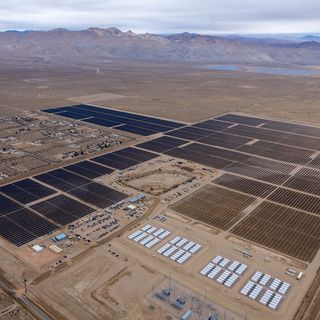
America's changing power grid faces a powerful El Niño
an hour ago

"Arrogance": 3 GOP Senate candidates blasted over costly red-state rescues
an hour ago

Pharma's next cash cows could be specialized treatments
an hour ago

Behind the Curtain: OpenAI's post-election power play
18 hours ago