Psychedelic nasal spray treats depression with toad-inspired goo
Scientists re-created a Sonoran desert toad's trip-inducing secretions in a lab. The post Psychedelic nasal spray treats depression with toad-inspired goo appea
By Popular Science·Oct 30, 2026


Summary
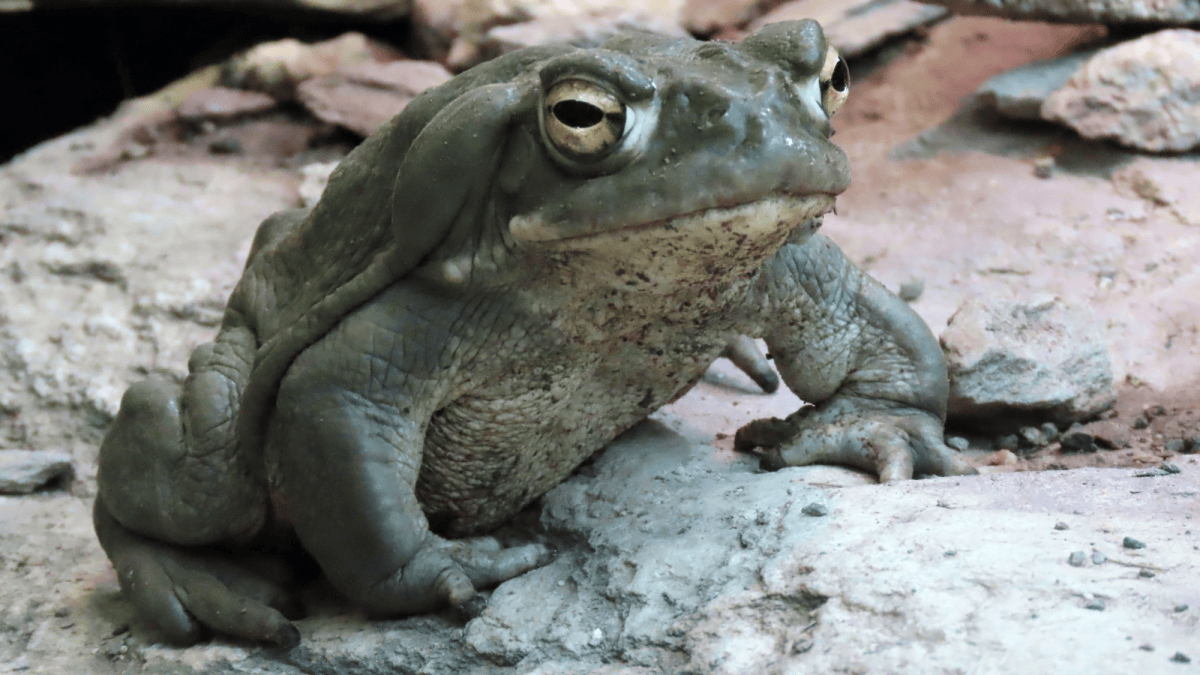
Researchers have successfully synthesized the active compound 5-MeO-DMT, found in the secretions of the Sonoran desert toad, to create a nasal spray aimed at treating severe clinical depression. This innovative approach seeks to provide a fast-acting therapeutic alternative for patients who have not responded to conventional antidepressants.
By recreating the psychedelic compound in a laboratory, scientists are moving away from harvesting secretions directly from the toads, addressing significant ethical and ecological concerns regarding the exploitation of this desert species. Clinical trials are now underway to determine the safety and efficacy of the nasal delivery system in a controlled, therapeutic setting.
The study highlights a growing interest in using psychedelic-assisted therapy to address the global mental health crisis. By leveraging synthetic biology to replicate natural compounds, researchers hope to standardize dosing and improve patient outcomes while mitigating the environmental impact associated with traditional sourcing methods.
Key Takeaways
- Scientists have synthesized 5-MeO-DMT as a potential treatment for treatment-resistant depression.
- Synthetic production removes the need to harvest secretions from living Sonoran desert toads.
- The nasal spray delivery method offers a new, rapid approach to psychedelic-assisted mental health therapy.
Science-Led Healing Over Market Greed
- We must prioritize robust federal funding for psychedelic research to dismantle the stigma perpetuated by the War on Drugs.
- Synthetic biology represents a victory for environmental justice by eliminating the need to exploit fragile ecosystems for medical resources.
- Access to mental health treatment is a fundamental human right that should not be gatekept by profit-driven pharmaceutical giants.
- Conservative 'law and order' drug policies have historically hindered critical medical breakthroughs that could save lives today.
- Investing in progressive medical research proves that we can solve complex health crises through innovation rather than outdated punitive measures.
- Mental health care must be de-pathologized, and integrating evidence-based psychedelic therapies is key to a more humane healthcare system.
🔑 Liberal Key Points
- Prioritize science over moralizing drug policies.
- Protect biodiversity by embracing synthetic medical alternatives.
- Universal access is the final step in mental health equity.
Innovation Drives Real Medical Solutions
- This breakthrough demonstrates the power of free-market innovation and private research to solve intractable human problems.
- Unlike government-run healthcare, competitive biopharma labs are the ones actually delivering these life-changing medical advancements.
- We should move away from bureaucratic red tape that prevents life-saving clinical trials from proceeding at the speed of technology.
- Responsible resource management means using synthetic alternatives, but we must avoid heavy-handed environmental regulations that stifle industry growth.
- The focus should remain on individual medical outcomes rather than state-mandated mental health agendas.
- Economic efficiency in drug development will lower costs for consumers, proving that private sector investment is the best way to expand access.
🔑 Conservative Key Points
- Private innovation solves problems where government fails.
- Cut the red tape to speed up clinical life-saving trials.
- Patient choice is better than state-mandated care systems.
Summary
Researchers have successfully synthesized the active compound 5-MeO-DMT, found in the secretions of the Sonoran desert toad, to create a nasal spray aimed at treating severe clinical depression. This innovative approach seeks to provide a fast-acting therapeutic alternative for patients who have not responded to conventional antidepressants.
By recreating the psychedelic compound in a laboratory, scientists are moving away from harvesting secretions directly from the toads, addressing significant ethical and ecological concerns regarding the exploitation of this desert species. Clinical trials are now underway to determine the safety and efficacy of the nasal delivery system in a controlled, therapeutic setting.
The study highlights a growing interest in using psychedelic-assisted therapy to address the global mental health crisis. By leveraging synthetic biology to replicate natural compounds, researchers hope to standardize dosing and improve patient outcomes while mitigating the environmental impact associated with traditional sourcing methods.
Key Takeaways
- Scientists have synthesized 5-MeO-DMT as a potential treatment for treatment-resistant depression.
- Synthetic production removes the need to harvest secretions from living Sonoran desert toads.
- The nasal spray delivery method offers a new, rapid approach to psychedelic-assisted mental health therapy.