What to do if you hit a deer
‘Tis the season for sex-crazed deer. The post What to do if you hit a deer appeared first on Popular Science.
By Popular Science·Oct 31, 2026


Summary
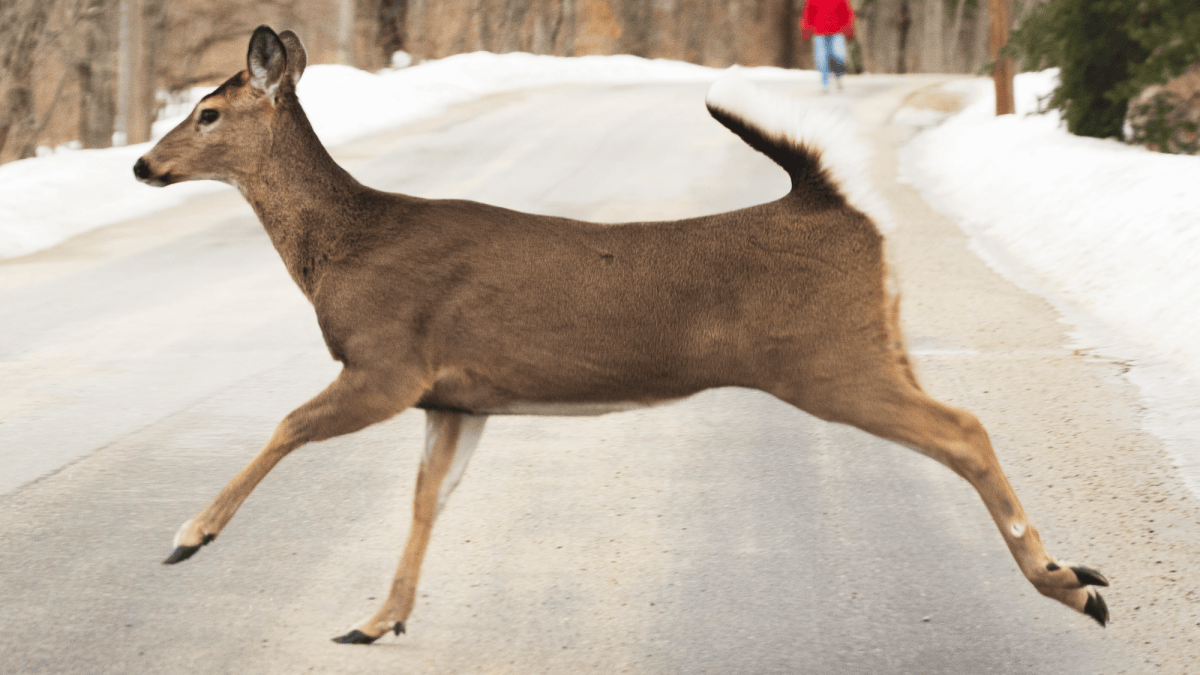
Autumn marks the peak of deer mating season, a period characterized by heightened animal activity and increased migration across roadways. As deer move more frequently during dawn and dusk hours to search for mates, the statistical likelihood of vehicular collisions rises significantly. Experts urge drivers to maintain vigilance, particularly in regions where wildlife crossings are prevalent.
If a collision occurs, safety professionals recommend prioritizing the health and well-being of all human passengers above all else. Drivers are advised to steer clear of the animal if possible, rather than swerving abruptly, which often results in more severe accidents involving other vehicles or stationary objects. Reporting the incident to local authorities is essential for both insurance documentation and public safety management.
Proper preparation includes ensuring vehicles are well-maintained and drivers are educated on defensive driving techniques. Understanding deer behavior patterns allows motorists to adjust their speed and scanning habits during high-risk months. Proactive awareness remains the most effective tool in mitigating the physical and financial consequences of animal-vehicle interactions on public infrastructure.
Key Takeaways
- Peak mating season significantly increases the risk of deer-vehicle collisions on public roads.
- Safe driving practices, such as avoiding sudden swerving, are critical for human safety.
- Reporting collisions to local authorities ensures accurate tracking and necessary insurance processing.
Protecting Wildlife and Public Infrastructure
- Climate change is disrupting natural migration patterns, forcing deer into more frequent human-populated areas.
- Conservatives often ignore the environmental impact of urban sprawl that destroys natural deer habitats and forces these collisions.
- Increased investments in green infrastructure and wildlife bridges are necessary to protect both humans and nature.
- We must prioritize public transit and road safety over unchecked suburban expansion that encroaches on vital wildlife corridors.
- Science-based land management, which conservatives frequently try to defund, is essential to tracking animal populations humanely.
- Environmental regulations should force developers to account for wildlife impact assessments before breaking ground on new projects.
🔑 Liberal Key Points
- Urban sprawl is the primary driver of dangerous human-wildlife interaction.
- Proactive habitat protection is safer for drivers than reactionary road management.
- We need robust government funding for ecology and safe wildlife crossings.
Individual Responsibility on the Road
- Drivers must take personal responsibility for their safety rather than relying on expensive government-funded 'wildlife bridges'.
- Radical environmental regulations often prevent common-sense road expansion, leading to congestion that increases collision risks.
- Individual liberty means being prepared as a driver, not needing state mandates to dictate how we manage road safety.
- Bureaucratic oversight of wildlife management is often just a pretext to restrict private land development.
- The market provides the best solutions for road safety through technology like collision-avoidance systems, not top-down environmental policy.
- Liberals focus on blaming 'urban sprawl' to push a socialist agenda against private property ownership and economic growth.
🔑 Conservative Key Points
- Personal awareness and defensive driving are better safety tools than government spending.
- Red-tape regulations hindering road infrastructure are a larger threat to safety than wildlife.
- Focus on economic development over restrictive land-use policies that impede freedom.
Summary
Autumn marks the peak of deer mating season, a period characterized by heightened animal activity and increased migration across roadways. As deer move more frequently during dawn and dusk hours to search for mates, the statistical likelihood of vehicular collisions rises significantly. Experts urge drivers to maintain vigilance, particularly in regions where wildlife crossings are prevalent.
If a collision occurs, safety professionals recommend prioritizing the health and well-being of all human passengers above all else. Drivers are advised to steer clear of the animal if possible, rather than swerving abruptly, which often results in more severe accidents involving other vehicles or stationary objects. Reporting the incident to local authorities is essential for both insurance documentation and public safety management.
Proper preparation includes ensuring vehicles are well-maintained and drivers are educated on defensive driving techniques. Understanding deer behavior patterns allows motorists to adjust their speed and scanning habits during high-risk months. Proactive awareness remains the most effective tool in mitigating the physical and financial consequences of animal-vehicle interactions on public infrastructure.
Key Takeaways
- Peak mating season significantly increases the risk of deer-vehicle collisions on public roads.
- Safe driving practices, such as avoiding sudden swerving, are critical for human safety.
- Reporting collisions to local authorities ensures accurate tracking and necessary insurance processing.