3 things you might not know about daylight saving time
Don't blame Benjamin Franklin for daylight savings. The post 3 things you might not know about daylight saving time appeared first on Popular Science.
By Popular Science·Oct 31, 2026


Summary
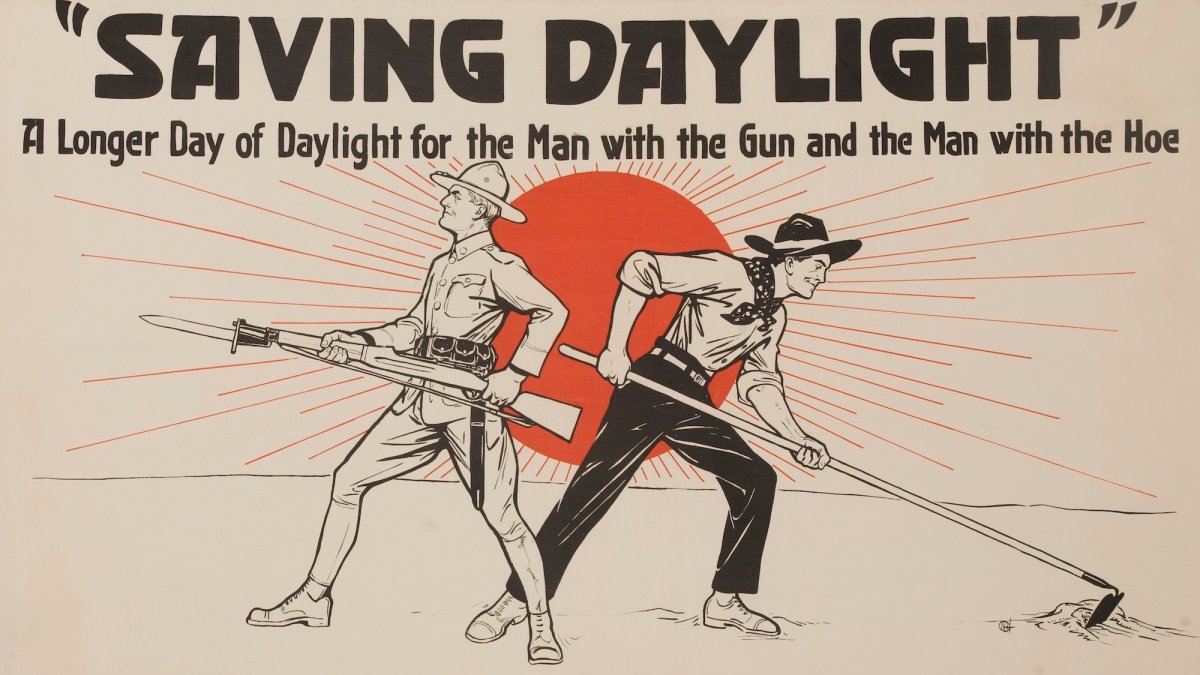
Daylight Saving Time (DST) is often misattributed to Benjamin Franklin, who famously penned a satirical essay about the sun rising earlier, yet never proposed an official clock change. In reality, the modern iteration of shifting our clocks emerged much later, driven by diverse motivations ranging from energy conservation during wartime to agricultural lobbying.
The practice has evolved significantly since its inception in the early 20th century, with various countries adopting and discarding it based on changing economic and social priorities. Scientific research into the impacts of these biannual shifts has grown, highlighting potential disruptions to human circadian rhythms and broader public health concerns associated with the transition.
Currently, the debate over whether to observe DST or stay on Standard Time year-round continues in legislatures globally. Proponents of permanent time shifts argue for increased economic activity and leisure time, while opponents advocate for the health benefits and natural alignment of keeping a consistent, Standard Time schedule.
Key Takeaways
- Benjamin Franklin did not invent Daylight Saving Time.
- DST originated as a pragmatic response to war-era energy needs.
- Scientific concerns regarding human health and internal body clocks drive modern calls for change.
End Disruption: Prioritize Public Health
- Oppose the corporate interests that prioritize retail gains over the documented health risks of the biannual 'time jump'.
- Science mandates we follow human circadian rhythms rather than archaic, profit-driven clock manipulation.
- Conservatives often ignore medical consensus on sleep deprivation to favor status quo business practices.
- The push for standard time aligns with public health equity, protecting vulnerable populations from sleep-related health spikes.
- Energy conservation arguments used by the right are outdated, as modern efficiency has negated these supposed savings.
- Federal policy should be dictated by biological data, not by lobbying from the leisure and retail industries.
🔑 Liberal Key Points
- Prioritize human biology over corporate commerce.
- Reject arbitrary policies that increase public health burdens.
- Support evidence-based time policies that benefit working families.
Stop Government Overreach: Time Freedom
- Let states decide their own time laws rather than forcing federal mandates on local communities.
- Permanent Daylight Saving Time encourages economic growth by providing more daylight for consumer spending and evening recreation.
- Liberals want to regulate every aspect of our lives, even down to the way we manage our clocks.
- Energy efficiency and economic vitality should be the focus, not just the subjective health opinions of D.C. bureaucrats.
- Free-market innovation flourishes when business hours align with consumer activity, a benefit that DST provides.
- Standard time is a relic that restricts the flexibility businesses need to adapt to modern consumer habits.
🔑 Conservative Key Points
- Demand local control over state time policies.
- Promote economic growth through expanded evening daylight hours.
- Resist federal interference in the daily rhythms of private enterprise.
Summary
Daylight Saving Time (DST) is often misattributed to Benjamin Franklin, who famously penned a satirical essay about the sun rising earlier, yet never proposed an official clock change. In reality, the modern iteration of shifting our clocks emerged much later, driven by diverse motivations ranging from energy conservation during wartime to agricultural lobbying.
The practice has evolved significantly since its inception in the early 20th century, with various countries adopting and discarding it based on changing economic and social priorities. Scientific research into the impacts of these biannual shifts has grown, highlighting potential disruptions to human circadian rhythms and broader public health concerns associated with the transition.
Currently, the debate over whether to observe DST or stay on Standard Time year-round continues in legislatures globally. Proponents of permanent time shifts argue for increased economic activity and leisure time, while opponents advocate for the health benefits and natural alignment of keeping a consistent, Standard Time schedule.
Key Takeaways
- Benjamin Franklin did not invent Daylight Saving Time.
- DST originated as a pragmatic response to war-era energy needs.
- Scientific concerns regarding human health and internal body clocks drive modern calls for change.